
#Playground #ThemePark #Park #EcoFriendlyCertified #TechnicalCertification #GroupStandard #SPS-F KSPIC 005-7620
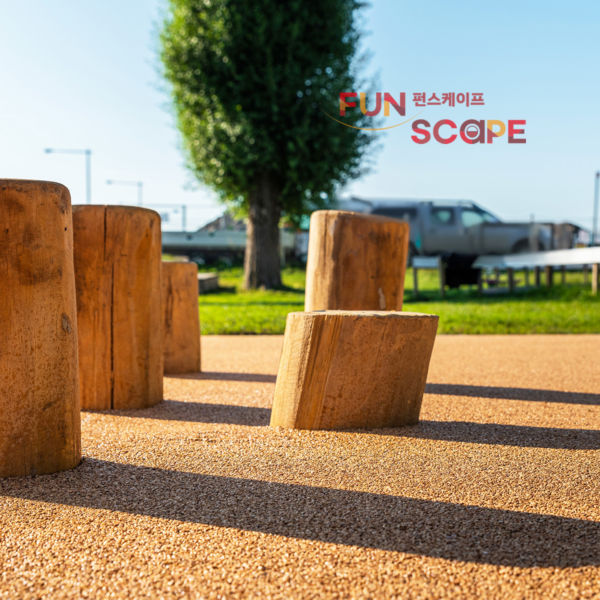
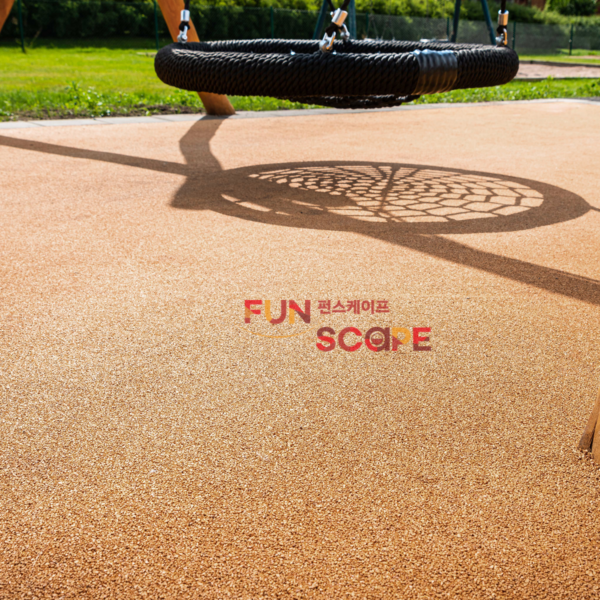
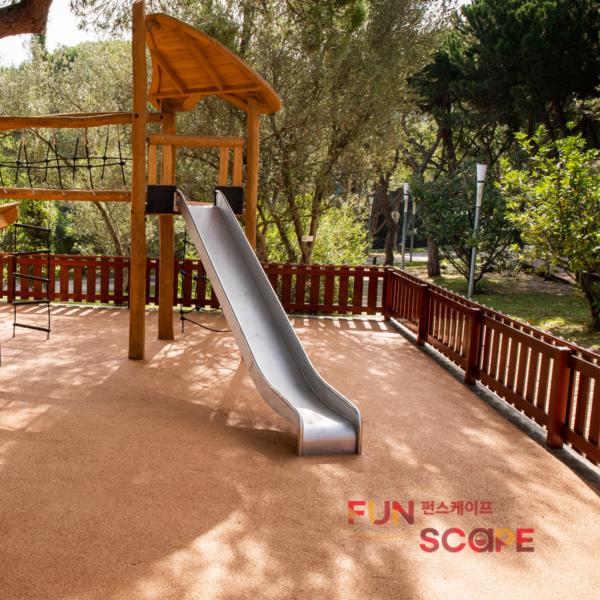
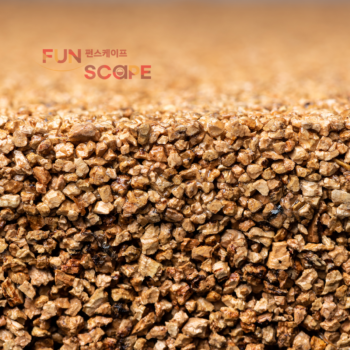
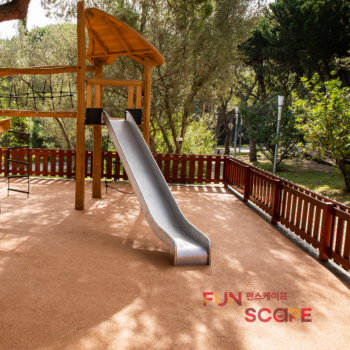
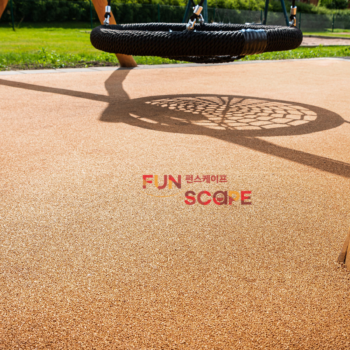
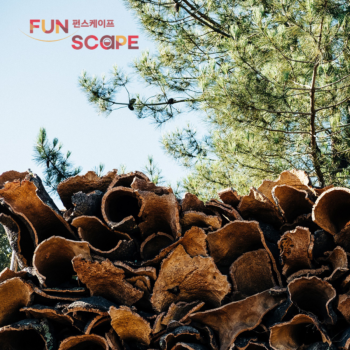
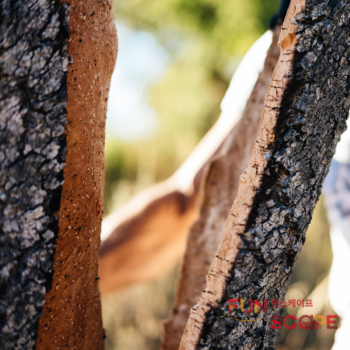
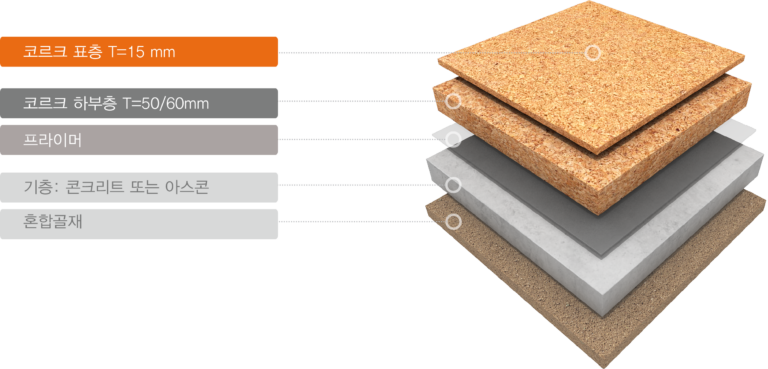
Funscape's cork safety surfacing protects the safety of users (children) when installed in children's playgrounds, parks, and more. Notably, our products are completely free of hazardous substances and heavy metals, utilizing beyond-standard eco-friendly materials to satisfy both refined aesthetics and user safety simultaneously. Furthermore, Funscape's cork surfacing is an environmentally friendly product manufactured with highly durable cork chips and specialized polyurethane binders, ensuring safety and a pleasant environment in parks, playgrounds, and multipurpose sports grounds. Maintaining optimal shock absorption and walking comfort over time, it serves as an all-weather elastic surfacing suitable for pedestrian paths, jogging tracks, promenades, and fitness centers. It reduces fatigue with a comfortable walking feel across all demographics, reduces the risk of joint stress and injury, and provides a structural system of superior safety—establishing itself as a well-being floor finish that contributes significantly to public health.
# Eco-Label Certified Product Certification Reason: Improved Resource Recyclability & Reduction of Hazardous Substances", Consumer Information: 1) Product Use: Elastic Surfacing for Children's Play Facilities, 2) Eco-Friendly Information: Eco-Friendly Elastic Surfacing

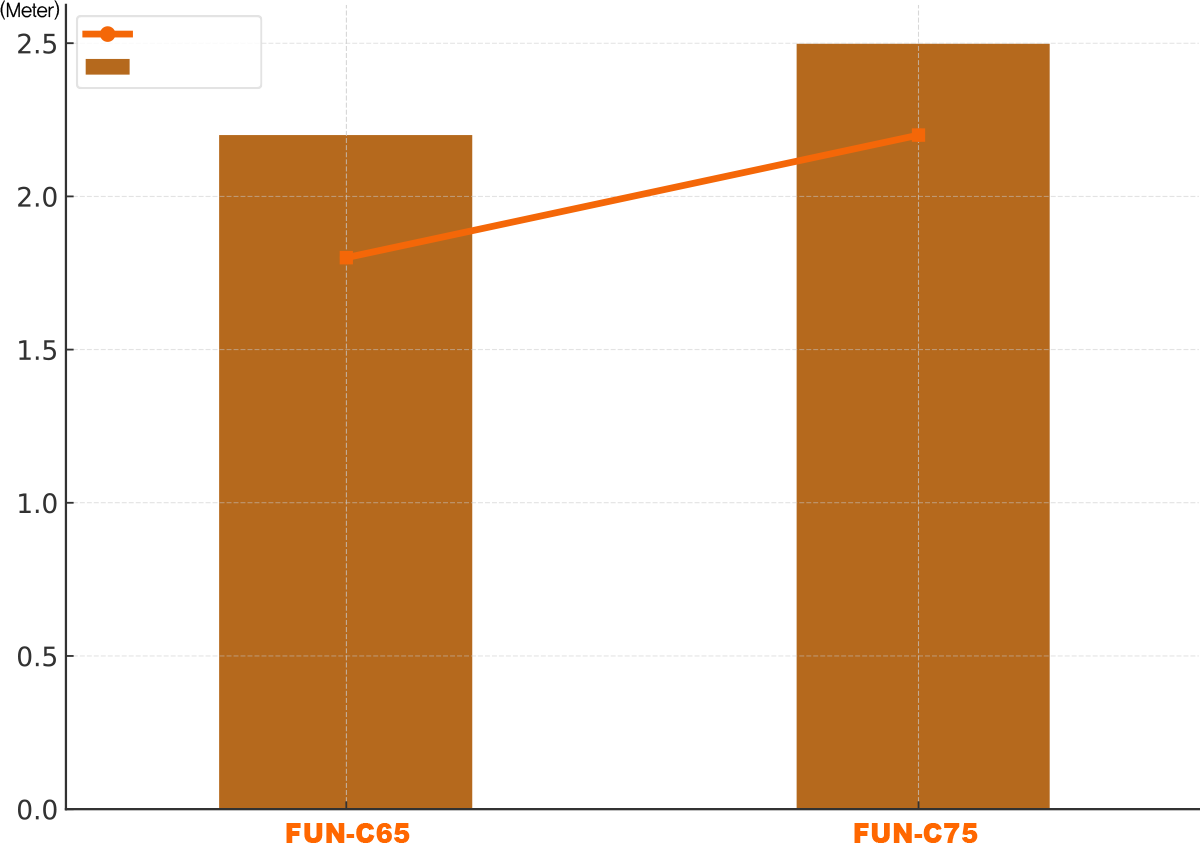 What is Critical Fall Height (CFH)? It is an engineering metric that verifies the adequate impact attenuation performance of an impact-absorbing surfacing material through modeled test drops simulating a user's vertical fall onto the surface, Head Injury Criteria (HIC) refers to the maximum vertical height corresponding to a HIC value of 1000. A higher critical fall height alone does not indicate superior product quality; physical properties including minimum tensile strength and flexural deformation must also be satisfied. The graph on the right is based on test values of our product and may vary depending on on-site conditions (temperature, humidity, base layer type, structural strength, etc.).